


Through paper recycling activities, we learn that protecting the environment can begin with simple steps. Used paper, which is often considered waste, actually still has value when processed properly. By recycling, we not only reduce waste but also help preserve nature for future generations.
Together with Mager Team, let us create positive change through real actions for a cleaner and more sustainable environment.
Paper Recycling Process
1. Paper Collection and Sorting
The process begins with collecting used paper that is no longer in use. The paper is then sorted to separate it from other materials such as paper mixed with plastic, staples, tape, or other foreign objects to prevent interference during the recycling process.
2. Tearing and Soaking
After sorting, the paper is torn into small pieces. These pieces are then soaked in water overnight. This stage aims to soften the paper fibers, making them easier to process in the next steps.
3. Pulping the Paper
The softened paper is then blended or crushed until it turns into paper pulp. At this stage, water can be added as needed to achieve an even texture. If desired, food coloring may also be added to create attractive paper colors.
4. Forming Paper Sheets
The smooth paper pulp is poured into a container filled with water and then filtered using a special mold or flat screen. The paper fibers are evenly spread to form thin sheets according to the desired size.
5. Transferring and Drying
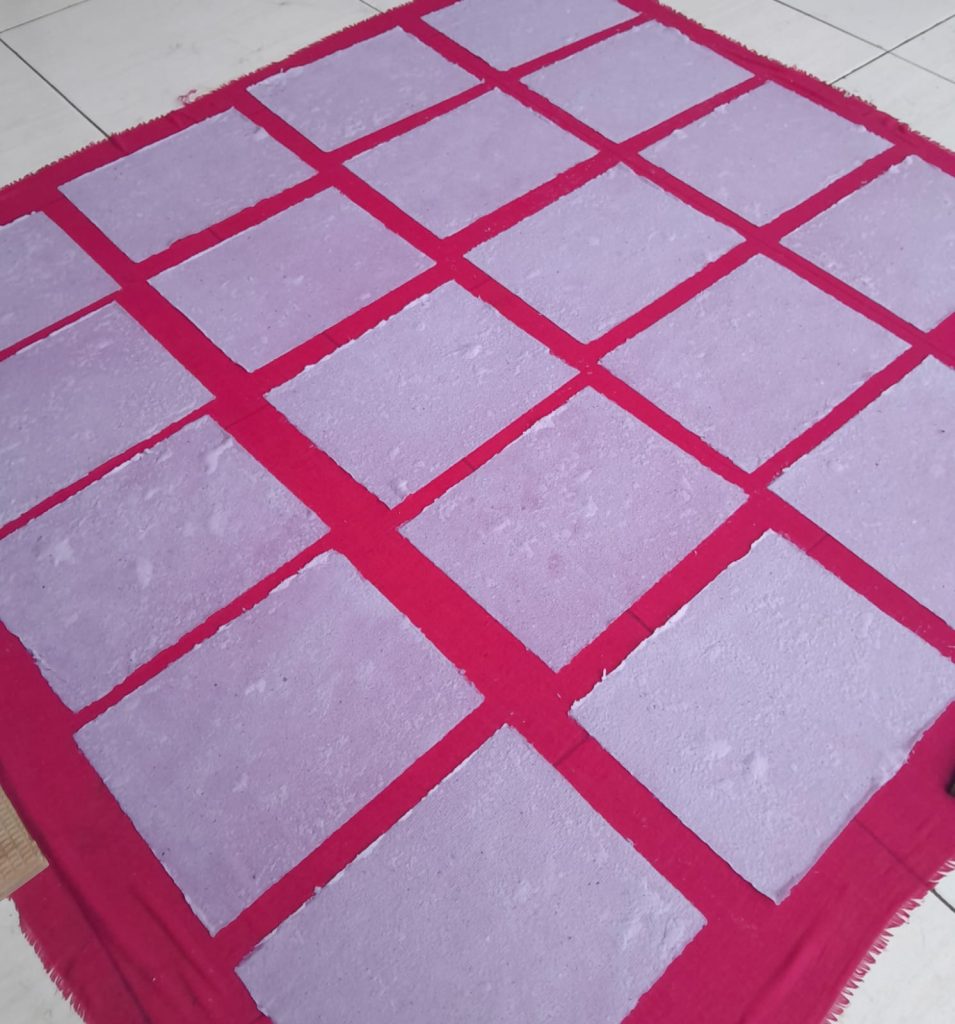
The wet paper sheets are transferred onto a flat surface lined with a damp cloth. The paper is then dried by placing it under sunlight or by pressing and air-drying it until completely dry.
6. Final Finishing
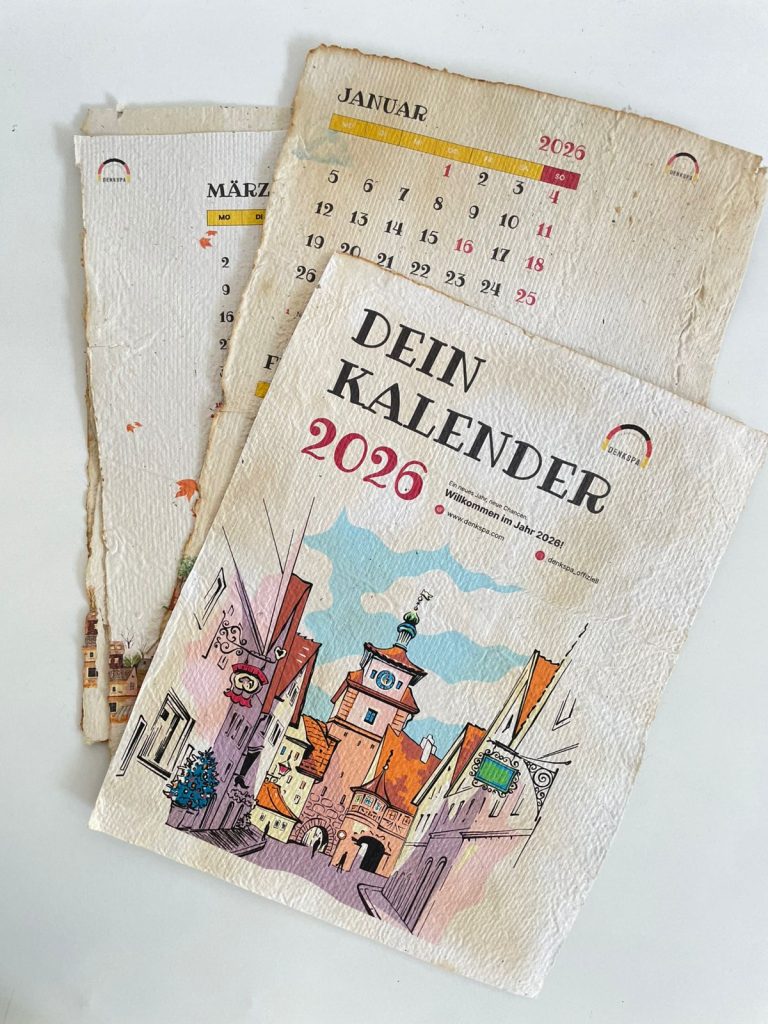
Once the paper is completely dry, its surface is smoothed by ironing to make it neater and smoother. The recycled paper is then ready to be reused, for example, for printing calendars or other creative products.

Benefits of Paper Recycling
Paper recycling provides many benefits, including:
- Reducing the volume of paper waste in the environment
- Saving trees as raw materials for paper production
- Reducing water and energy consumption in the paper industry
- Reducing air and water pollution
- Raising public awareness about the importance of environmental protection
- Create useful products
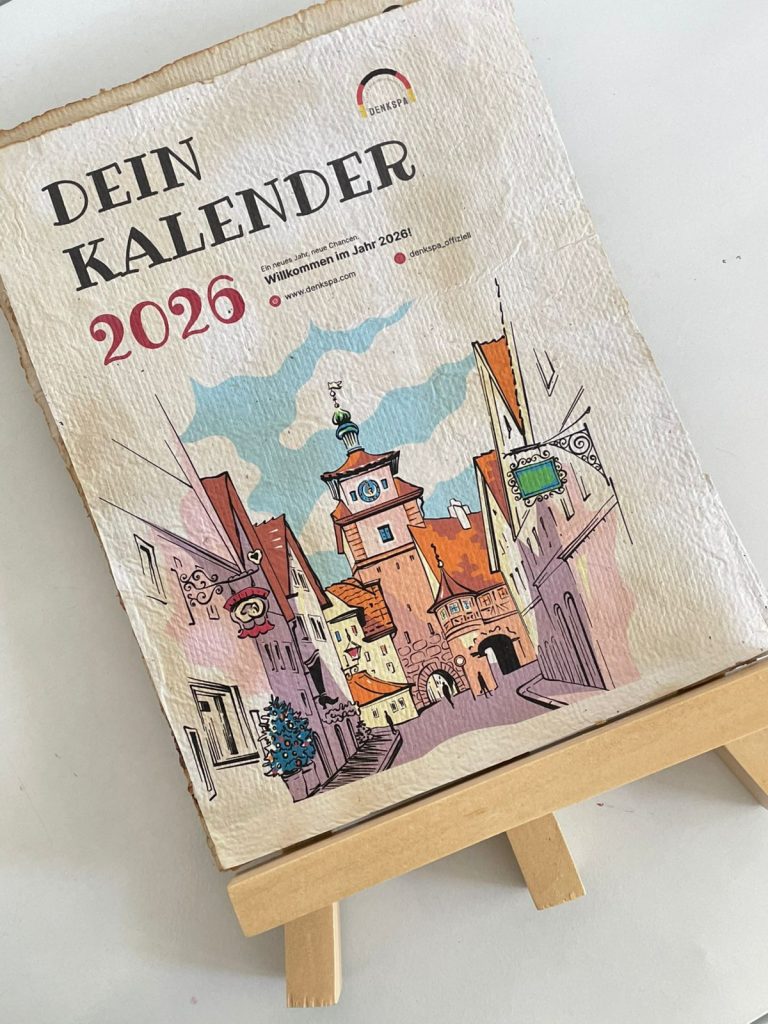
Through paper recycling activities, we not only create useful new products but also directly contribute to environmental preservation. Small actions like this, when carried out together, can have a big impact on the future of our planet.
.